How Technology Is Changing the Way We Learn
Introduction
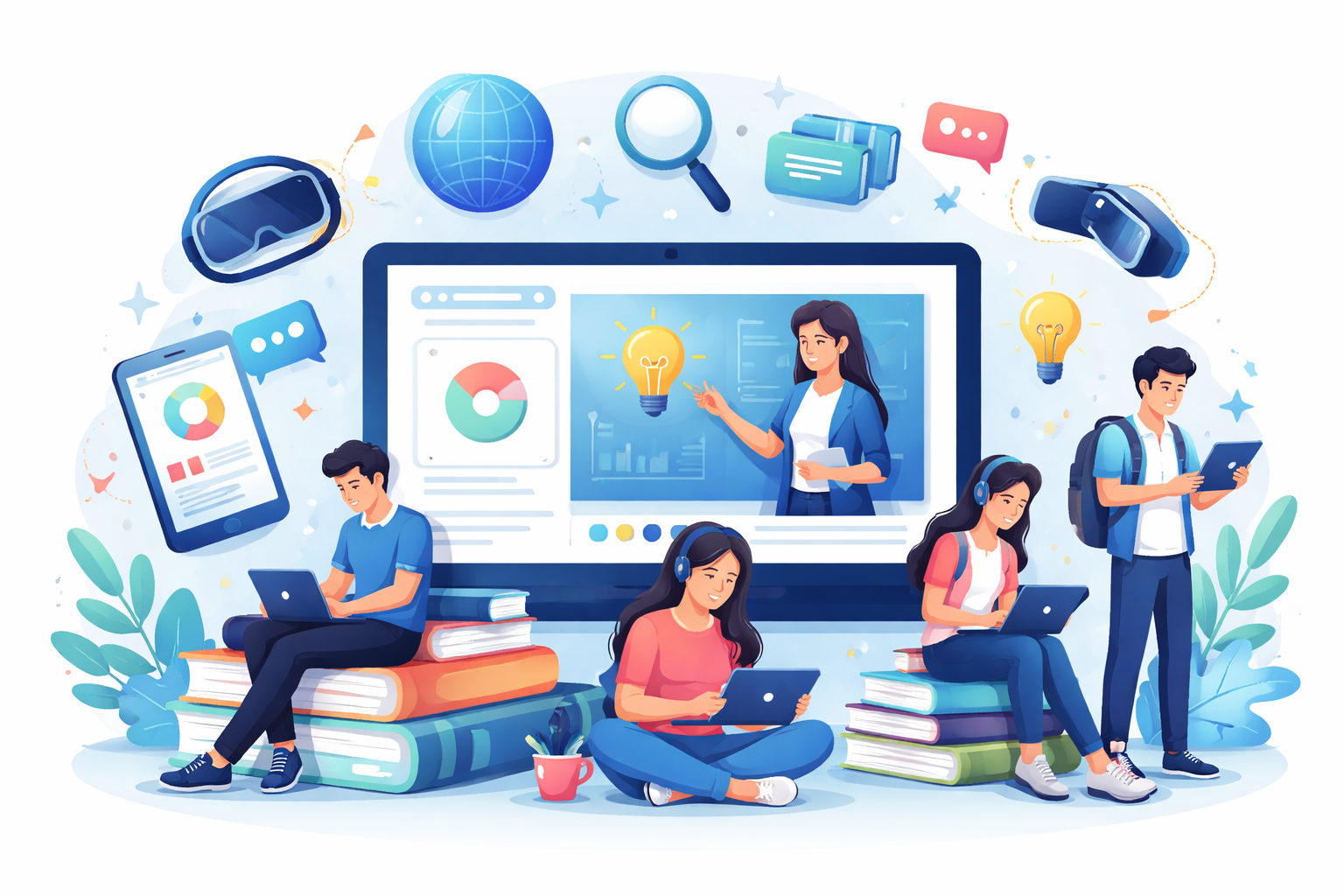
In the past, learning was often confined to classrooms, textbooks, and face-to-face instruction. Today, technology has completely transformed the educational landscape, making learning more accessible, flexible, and personalized than ever before. Whether you’re a student, a professional, or a lifelong learner, digital tools have opened up new pathways to acquire knowledge and skills efficiently.
From online courses and mobile apps to artificial intelligence and virtual reality, technology is not just enhancing education—it is redefining how we learn. In this article, we will explore the major ways technology is reshaping learning and how you can take advantage of these changes.
The Shift from Traditional to Digital Learning
Learning Beyond the Classroom
Technology has broken the physical boundaries of education. Learners are no longer restricted to a specific place or schedule. Online platforms allow people to study anytime and anywhere, whether during a commute, at home, or while traveling.
This flexibility has made education more inclusive, especially for those who cannot attend traditional institutions due to time, cost, or location constraints.
Access to Unlimited Resources
In the past, students relied heavily on textbooks and teachers. Now, a simple internet connection provides access to millions of articles, videos, tutorials, and courses.
Learners can explore diverse perspectives, dive deeper into topics, and stay updated with the latest information. This abundance of resources supports independent learning and encourages curiosity.
Personalized Learning Through Technology
Adaptive Learning Systems
Modern educational platforms use algorithms to adapt content based on a learner’s progress. These systems analyze strengths and weaknesses, then adjust lessons accordingly.
This means learners can move at their own pace—spending more time on difficult topics and skipping what they already understand.
Self-Paced Learning Paths
Technology enables individuals to design their own learning journeys. Instead of following a fixed curriculum, learners can choose what, when, and how they want to study.
For those interested in self-directed education, resources like The Complete Guide to Self-Learning can provide structured approaches to navigating this freedom effectively.
Interactive and Engaging Learning Experiences
Multimedia Learning
Text-based learning is no longer the only option. Videos, animations, podcasts, and interactive simulations make complex concepts easier to understand.
For example:
- Science concepts can be visualized through animations
- Language learning can include audio and real-time feedback
- History can be explored through documentaries and virtual tours
These formats cater to different learning styles and improve retention.
Gamification
Gamification introduces elements like points, badges, and leaderboards into learning. This makes the process more engaging and motivating.
Learners are encouraged to complete lessons, achieve goals, and compete in a fun and interactive environment.
The Role of Artificial Intelligence in Education
Smart Tutors and Assistants
AI-powered tools act as virtual tutors, providing instant feedback and answering questions in real time. This reduces dependency on human instructors and ensures continuous support.
These systems can explain concepts, suggest improvements, and even predict areas where learners may struggle.
Automated Assessments
Grading and evaluation have become faster and more accurate with AI. Automated systems can assess quizzes, essays, and even complex problem-solving tasks.
This allows learners to receive immediate feedback, helping them improve more efficiently.
Collaborative Learning in the Digital Age
Online Communities and Forums
Technology has made it easier for learners to connect with others worldwide. Online forums, discussion groups, and social platforms foster collaboration and knowledge sharing.
Learners can:
- Ask questions
- Share insights
- Work on group projects
- Learn from diverse perspectives
Remote Collaboration Tools
Video conferencing, shared documents, and project management tools enable teamwork regardless of location. This is especially valuable in professional and academic settings.
Mobile Learning and Microlearning
Learning on the Go
Smartphones and tablets have turned learning into a portable experience. Mobile apps allow users to study anytime, making use of short, otherwise unproductive moments.
Bite-Sized Content
Microlearning delivers content in small, focused chunks. This approach improves retention and reduces cognitive overload.
Examples include:
- Short video lessons
- Quick quizzes
- Flashcards
These methods are particularly effective for busy individuals.
The Rise of Active Learning
From Passive to Active Engagement
Traditional learning often involved passive listening. Technology encourages active participation through interactive tools and exercises.
Instead of just consuming information, learners now:
- Solve problems
- Participate in discussions
- Apply knowledge in real-time
Practical Application of Knowledge
Digital platforms often include simulations, projects, and real-world scenarios. These help learners apply what they’ve learned in practical contexts.
For those looking to enhance engagement, exploring Active Learning Techniques That Work can significantly improve understanding and retention.
Challenges of Technology in Learning
Information Overload
While access to information is beneficial, it can also be overwhelming. Learners may struggle to identify reliable sources or focus on relevant content.
Digital Distractions
Technology can be a double-edged sword. Notifications, social media, and entertainment can easily distract learners.
Dependence on Technology
Over-reliance on digital tools may reduce critical thinking or problem-solving skills if not balanced properly.
The Future of Learning
Virtual and Augmented Reality
Immersive technologies are set to revolutionize education. Learners can explore virtual environments, conduct experiments, or experience historical events firsthand.
Lifelong Learning Culture
Technology supports continuous learning beyond formal education. People are increasingly adopting a mindset of lifelong learning to stay relevant in a rapidly changing world.
Integration of Emerging Technologies
Blockchain for credential verification, AI-driven career guidance, and advanced analytics will continue to shape the future of education.
Conclusion
Technology has fundamentally changed the way we learn, making education more accessible, personalized, and engaging. While challenges exist, the benefits far outweigh the drawbacks when technology is used effectively.
The key is to leverage these tools wisely—combining flexibility with discipline, and innovation with critical thinking. As technology continues to evolve, so will the opportunities to learn, grow, and succeed in an increasingly digital world.