Common Learning Mistakes Adults Make
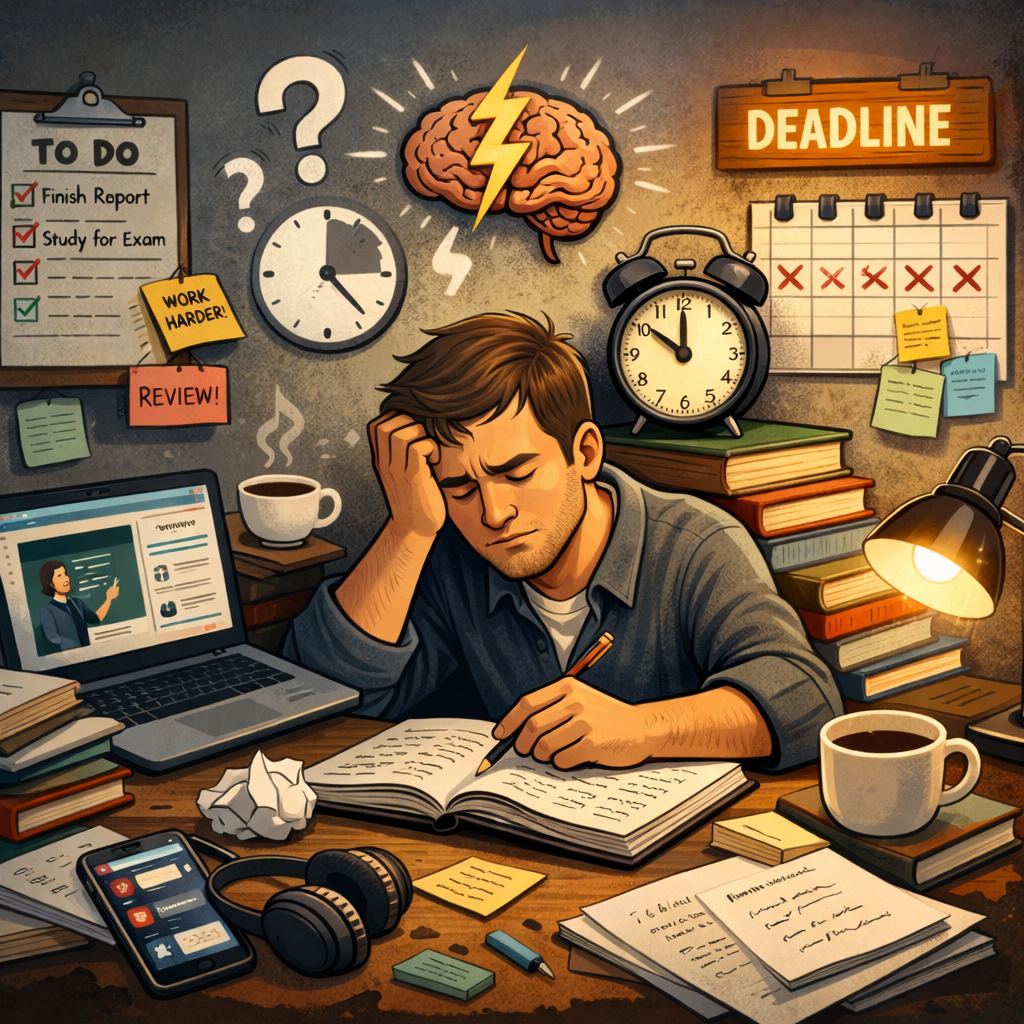
Learning as an adult is both empowering and challenging. Unlike children, adults bring experience, discipline, and purpose into the learning process. However, they also face unique obstacles—limited time, mental fatigue, and ingrained habits—that can slow progress. While motivation may be strong at the beginning, many adult learners unknowingly fall into common traps that hinder their growth.
Understanding these mistakes is the first step toward overcoming them. In this article, we’ll explore the most common learning mistakes adults make and how to avoid them so you can learn more efficiently and sustainably.
Why Adult Learning Is Different
Before diving into mistakes, it’s important to recognize that adult learning is fundamentally different from learning in school. Adults often juggle responsibilities such as work, family, and finances. This means learning must be more intentional and efficient.
Additionally, adults tend to:
- Seek practical, real-world applications
- Prefer self-directed learning
- Struggle with time management and consistency
- Experience fear of failure or self-doubt
These factors make it easier to fall into ineffective learning patterns.
Mistake #1: Trying to Learn Too Much at Once
One of the biggest mistakes adults make is attempting to learn multiple skills or topics simultaneously. While ambition is admirable, spreading your attention too thin leads to shallow understanding and burnout.
Why It Happens
Adults often feel pressure to catch up or maximize their time. This leads to overloading schedules with courses, books, and tutorials.
The Problem
Your brain needs focus and repetition to build strong neural connections. Jumping between topics prevents deep learning.
The Solution
Focus on one skill at a time. Break it into smaller, manageable chunks and commit to consistent progress rather than rapid consumption.
Mistake #2: Passive Learning Instead of Active Learning
Many adults rely heavily on passive learning methods such as watching videos, reading books, or listening to lectures. While these methods are helpful, they are not enough on their own.
Why It Happens
Passive learning feels easy and comfortable. It gives the illusion of progress without requiring much effort.
The Problem
Without actively engaging with the material, retention drops significantly. You may recognize concepts but struggle to apply them.
The Solution
Incorporate active learning techniques:
- Practice what you learn immediately
- Teach the concept to someone else
- Take notes and summarize in your own words
- Solve problems or complete real tasks
Mistake #3: Lack of Consistency
Consistency is one of the most critical factors in learning, yet many adults struggle to maintain it.
Why It Happens
Busy schedules, fatigue, and competing priorities often disrupt learning routines.
The Problem
Irregular learning leads to forgetting and slows progress. Each session becomes a “restart” instead of a continuation.
The Solution
Focus on Building Consistency in Self-Improvement by:
- Setting a fixed daily or weekly schedule
- Starting with small, achievable sessions (even 20–30 minutes)
- Tracking your progress to stay motivated
Consistency beats intensity every time.
Mistake #4: Setting Unrealistic Expectations
Many adults expect quick results, especially when learning new skills. This often leads to frustration and disappointment.
Why It Happens
Social media and online success stories create unrealistic timelines for mastery.
The Problem
When progress feels slow, motivation drops, and learners may give up prematurely.
The Solution
Adopt a long-term mindset. Skill development takes time, effort, and patience. Celebrate small wins and progress rather than perfection.
Mistake #5: Fear of Making Mistakes
Adults often avoid making mistakes because they associate errors with failure. This mindset can significantly hinder learning.
Why It Happens
Fear of judgment, embarrassment, or failure becomes stronger with age.
The Problem
Avoiding mistakes means avoiding growth. Learning requires trial and error.
The Solution
Shift your perspective:
- See mistakes as feedback, not failure
- Embrace experimentation
- Focus on improvement rather than perfection
Mistake #6: Not Applying What You Learn
Learning without application is one of the most common and costly mistakes.
Why It Happens
It’s easy to consume content without taking action, especially when learning feels theoretical.
The Problem
Knowledge that isn’t used is quickly forgotten.
The Solution
Apply knowledge immediately:
- Work on real-world projects
- Practice regularly
- Use what you learn in practical situations
This reinforces memory and builds confidence.
Mistake #7: Ignoring the Importance of Rest
Many adults push themselves too hard, believing that more hours equal better results.
Why It Happens
Busy lifestyles create a “hustle” mentality where rest feels unproductive.
The Problem
Overworking leads to fatigue, reduced focus, and burnout.
The Solution
Prioritize recovery and balance. Learning is more effective when your brain is well-rested. Understanding How to Study Without Burnout is essential for long-term success.
Mistake #8: Lack of Clear Goals
Learning without a clear goal is like traveling without a destination.
Why It Happens
Some adults start learning out of curiosity but fail to define specific outcomes.
The Problem
Without direction, progress becomes scattered and unmeasurable.
The Solution
Set clear, actionable goals:
- Define what you want to achieve
- Break goals into milestones
- Measure progress regularly
Clarity increases motivation and focus.
Mistake #9: Comparing Yourself to Others
Comparison is a major obstacle in adult learning.
Why It Happens
Online platforms constantly showcase others’ achievements and progress.
The Problem
Comparing yourself to others can lead to self-doubt and discouragement.
The Solution
Focus on your own journey. Everyone learns at a different pace based on their background, time, and resources.
Mistake #10: Not Adapting Learning Strategies
What worked in school may not work anymore. Many adults stick to outdated learning methods.
Why It Happens
Habits from earlier education systems are hard to break.
The Problem
Ineffective strategies waste time and reduce efficiency.
The Solution
Experiment with different approaches:
- Visual learning (videos, diagrams)
- Hands-on practice
- Spaced repetition
- Online courses and interactive tools
Finding the right method is key to How to Learn Faster as an Adult.
Building Better Learning Habits
Avoiding mistakes is only part of the equation. To truly succeed, you need to build strong learning habits.
Key Principles to Follow
1. Start Small
Don’t overwhelm yourself. Begin with manageable steps.
2. Stay Consistent
Regular practice is more important than long sessions.
3. Focus on Application
Use what you learn as soon as possible.
4. Embrace Failure
Mistakes are part of the learning process.
5. Take Care of Your Health
Sleep, nutrition, and mental well-being impact learning ability.
The Role of Mindset in Adult Learning
Your mindset plays a crucial role in how effectively you learn. A growth mindset allows you to:
- See challenges as opportunities
- Persist through difficulties
- Continuously improve
On the other hand, a fixed mindset can limit your potential and discourage effort.
Final Thoughts
Learning as an adult is a powerful way to grow personally and professionally. However, common mistakes such as lack of consistency, passive learning, and unrealistic expectations can slow your progress.
By recognizing and avoiding these pitfalls, you can transform your learning journey into a more effective and enjoyable experience. Focus on consistency, stay patient, and apply what you learn. Over time, small efforts will lead to significant results.
Remember, it’s not about learning perfectly—it’s about learning continuously.