Best Learning Resources for Adults
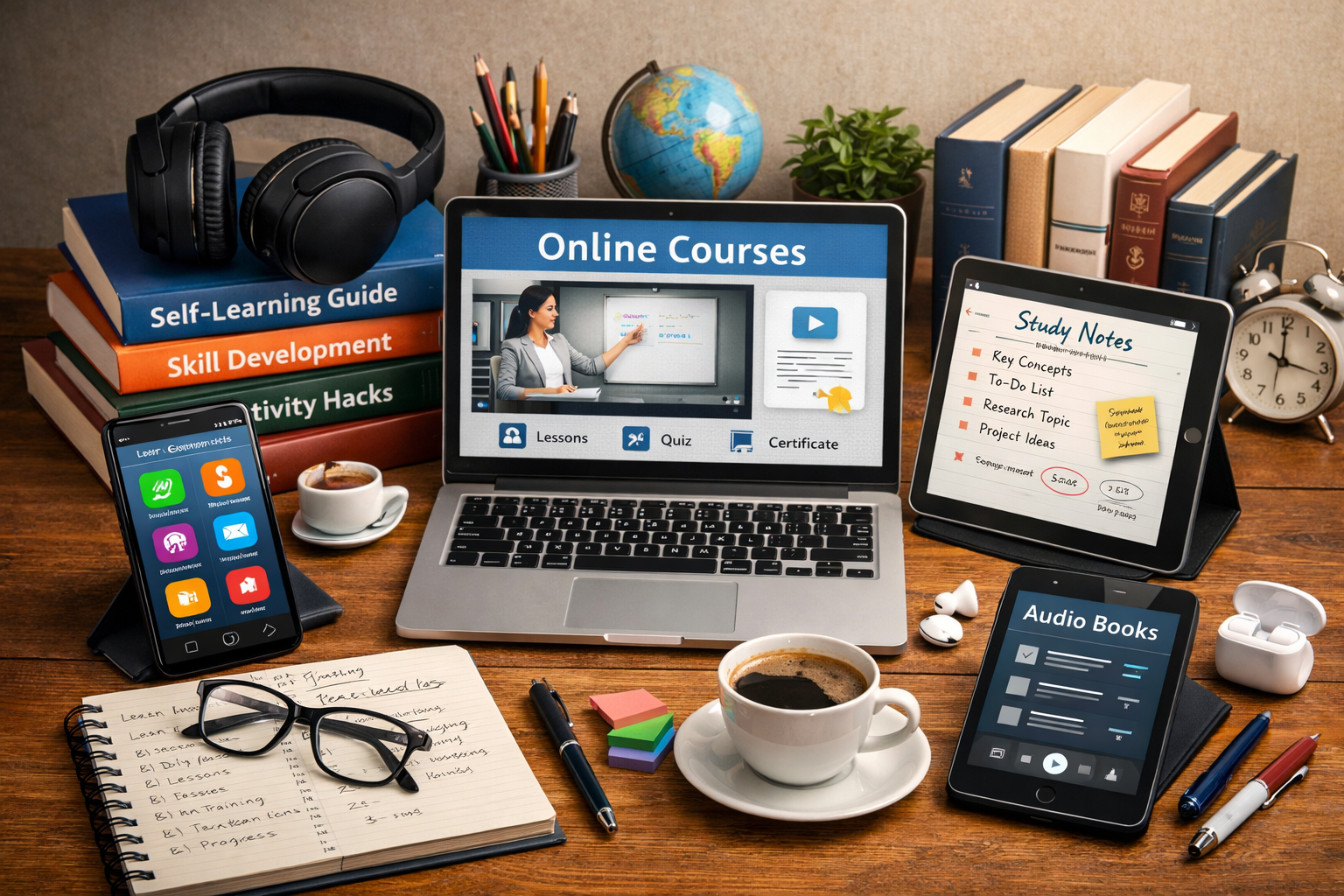
Learning as an adult can be both exciting and challenging. Unlike traditional students, adult learners often balance education with work, family responsibilities, and personal commitments. Fortunately, the modern world offers an incredible variety of learning resources designed specifically for adults who want to grow their skills, change careers, or simply explore new interests.
With the right tools, strategies, and platforms, anyone can continue learning throughout life. This article explores the best learning resources for adults and how they can help you study efficiently, stay motivated, and achieve your personal or professional goals.
Why Lifelong Learning Matters for Adults
Lifelong learning is becoming increasingly important in today’s fast-changing world. Technology evolves rapidly, industries transform, and new skills are constantly required in the workplace.
For adults, continuing education provides several benefits:
- Career advancement and new job opportunities
- Improved critical thinking and problem-solving skills
- Greater personal confidence
- Opportunities to explore hobbies and interests
- Increased adaptability in a changing world
Many adults hesitate to start learning again because they believe it is too late or too difficult. However, research shows that adults are actually very effective learners when they use structured methods and meaningful resources.
If you’re starting your journey, exploring The Complete Guide to Self-Learning can provide a strong foundation for building a personal education strategy.
Online Learning Platforms
One of the biggest advantages modern learners have is access to online education. These platforms allow adults to learn at their own pace from anywhere in the world.
Massive Open Online Courses (MOOCs)
MOOCs offer structured courses created by universities and industry professionals. Many of them include video lectures, assignments, quizzes, and certificates.
Popular platforms include:
- Coursera
- edX
- Udemy
- FutureLearn
These platforms cover a wide range of topics such as programming, business, psychology, marketing, data science, and more.
Adults benefit from MOOCs because they provide structured learning similar to university courses but with much greater flexibility.
Skill-Based Learning Platforms
Some platforms focus on practical, job-related skills rather than academic topics.
These include:
- LinkedIn Learning
- Skillshare
- Pluralsight
Skill-based platforms are particularly useful for professionals who want to improve their technical abilities, creative skills, or leadership capabilities.
Courses are usually short and focused, making them ideal for busy adults with limited study time.
Educational YouTube Channels
YouTube has become one of the largest free educational libraries in the world. Thousands of channels provide high-quality educational content across many subjects.
Some advantages include:
- Free access to thousands of tutorials
- Short and engaging video formats
- Visual explanations that simplify complex topics
- Content for beginners and advanced learners
Popular categories include:
- Science and technology
- Personal development
- Business and entrepreneurship
- Language learning
- Mathematics and engineering
However, it is important to select credible channels and structured playlists so that learning remains organized and effective.
Podcasts for Learning on the Go
Many adults struggle to find time to sit down and study. Podcasts offer an excellent alternative because they can be consumed while commuting, exercising, or doing household tasks.
Educational podcasts cover topics such as:
- Psychology
- History
- Entrepreneurship
- Technology trends
- Personal productivity
Listening regularly can gradually expand your knowledge without requiring extra time in your schedule.
Podcasts are especially powerful when combined with note-taking and reflection after listening.
Books and Audiobooks
Despite the growth of digital learning, books remain one of the most powerful educational resources.
Reading offers several advantages:
- Deep exploration of complex ideas
- Structured learning from experts
- Long-term knowledge retention
- Improved focus and concentration
For adults with limited reading time, audiobooks are an excellent alternative. They allow learners to absorb valuable insights while driving, walking, or doing routine tasks.
Books on topics such as productivity, psychology, and skill development can significantly accelerate personal growth.
Mobile Apps for Microlearning
Microlearning focuses on small lessons that can be completed in just a few minutes. Mobile apps are perfect for this type of learning.
Popular microlearning apps include:
- Language learning apps
- Brain training apps
- Skill-building platforms
- Flashcard-based study systems
These apps help adults maintain consistent learning habits without feeling overwhelmed.
Even spending 10–15 minutes a day on microlearning can produce meaningful progress over time.
Online Communities and Discussion Forums
Learning does not have to be a solitary activity. Online communities allow adults to learn collaboratively with people who share similar interests.
These communities provide opportunities to:
- Ask questions
- Share knowledge
- Receive feedback
- Find study partners
- Discover new resources
Discussion forums often help learners solve problems faster and stay motivated throughout the learning process.
Engaging with others also strengthens understanding because teaching and explaining concepts reinforces your own knowledge.
Structured Learning Programs
While self-paced learning works well for many people, some adults benefit from structured programs.
These programs include:
- Online certificates
- Professional bootcamps
- Part-time university programs
- Continuing education courses
Structured programs offer accountability, deadlines, and clear learning pathways. This structure can help adult learners stay committed and avoid procrastination.
Additionally, many programs provide credentials that can strengthen resumes and professional profiles.
Personal Knowledge Management Tools
Effective learning requires organization. Adults who manage information efficiently often learn faster and retain knowledge longer.
Popular knowledge management tools include:
- Note-taking apps
- Digital notebooks
- Mind-mapping tools
- Task management systems
These tools help learners organize ideas, track progress, and review information regularly.
Many successful learners build personal knowledge systems where they store insights, summaries, and important concepts for future reference.
Learning Strategies That Maximize Resources
Having access to great resources is only part of the learning process. Adults must also use effective strategies to absorb and retain knowledge.
Some of the most effective techniques include:
Active Learning
Active learning involves engaging directly with the material rather than passively consuming information.
Examples include:
- Taking notes
- Summarizing concepts
- Teaching others
- Applying knowledge in projects
Active learning significantly improves retention and understanding.
Spaced Repetition
Spaced repetition involves reviewing information at increasing intervals over time.
This technique strengthens long-term memory and prevents forgetting.
Many flashcard apps and study tools are built around spaced repetition systems.
Project-Based Learning
One of the best ways to learn is by creating something real.
Examples include:
- Building a website
- Writing a research article
- Developing a small business plan
- Creating a portfolio
Projects transform theoretical knowledge into practical experience.
Creating a Personal Learning Routine
Consistency is the key to successful adult learning. Even the best resources will not help if they are rarely used.
A simple learning routine might include:
- Setting clear learning goals
- Choosing one main learning resource
- Studying in short daily sessions
- Reviewing progress weekly
- Applying knowledge through practice
Adults who follow structured routines often achieve faster and more sustainable progress.
If you want to maximize your progress, understanding How to Learn Faster as an Adult can help you optimize study techniques and improve learning efficiency.
Overcoming Common Challenges in Adult Learning
Adult learners often face obstacles that younger students may not experience.
Some common challenges include:
- Limited time
- Fear of failure
- Information overload
- Difficulty maintaining motivation
These challenges can be managed by breaking learning goals into smaller steps and focusing on consistent improvement rather than perfection.
Remember that learning is a long-term process, and progress accumulates over time.
The Future of Learning for Adults
The future of education is becoming more flexible, accessible, and personalized. Advances in technology are making learning easier than ever before.
Emerging trends include:
- AI-powered learning platforms
- Virtual and augmented reality education
- Personalized learning algorithms
- Interactive online communities
These innovations will continue expanding opportunities for adults to develop new skills throughout their lives.
Lifelong learning is no longer optional—it is becoming a key component of personal and professional success.
Conclusion
Adult learning has never been more accessible. With online platforms, books, podcasts, mobile apps, and collaborative communities, anyone can continue developing their knowledge and skills at any stage of life.
The most important factors are curiosity, consistency, and the willingness to experiment with different learning methods. By choosing the right resources and building a sustainable study routine, adults can unlock incredible opportunities for growth.
Education does not end with school—it evolves into a lifelong journey of discovery, improvement, and personal transformation.